
“”pin-up Aviator: Oyun Qaydaları Və Strategiyalar”
June 24, 2026ทำความรู้จักแพลตฟอร์มซื้อหวยออนไลน์
June 24, 2026Cultural significance of gambling exploring its role in society
Historical Perspectives on Gambling
Gambling has a storied history that dates back thousands of years, deeply embedded in various cultures around the world. From the ancient Chinese playing dice around 2000 BC to the Romans betting on gladiatorial games, the act of wagering has served multiple purposes, including entertainment, socialization, and even religious rituals. These historical instances illustrate that gambling is not merely a modern pastime but a long-standing activity woven into the fabric of human society. Many players now turn to platforms like https://methspinau.com for an immersive experience.

The cultural significance of gambling can be observed in the way different societies have normalized it. For instance, in some indigenous cultures, gambling activities are often ritualistic, serving as a means of community bonding. Conversely, in Western societies, gambling has evolved into a commercialized industry, with casinos and online platforms becoming prominent fixtures in urban landscapes. This evolution reflects broader societal changes, including attitudes toward risk-taking and leisure.
Moreover, the historical context around gambling reveals how it has often been viewed through the lens of morality. Various religions have debated its implications, with some viewing it as sinful while others accept it as a harmless form of entertainment. The duality of gambling’s perception—both as a vice and a pastime—continues to shape discussions about its role in modern society.
Gambling and Social Interaction
Gambling serves as a unique social activity that fosters interactions among people. Whether it’s at a bustling casino, a quiet poker night, or an online gaming platform, the essence of gambling often lies in its communal aspect. The atmosphere in physical venues invites people to engage not only with the games but also with each other, forming bonds over shared experiences, strategies, and even victories. These interactions can lead to lasting friendships, creating a network of social support among players. Interestingly, this dynamic is quite evident in how cities embrace gambling.
Additionally, online gambling has transformed the landscape of social interaction. Virtual platforms allow individuals to connect globally, participating in games that may not be accessible in their local areas. This accessibility breaks down geographical barriers, enabling players from different cultures to share their experiences, strategies, and camaraderie. As a result, online gambling has created a diverse community that transcends borders, further enriching its cultural significance.
Moreover, gambling can serve as a form of entertainment that provides an escape from the stresses of daily life. Engaging in games with friends or family can enhance relationships and provide a sense of belonging. However, it’s essential to acknowledge the fine line between healthy social interaction and problematic gambling behaviors, which can strain relationships and lead to isolation. Understanding this dynamic is crucial in appreciating the multifaceted role of gambling in social contexts.
The Economic Impact of Gambling
The economic significance of gambling in society cannot be overlooked. In many regions, gambling industries contribute significantly to local and national economies, creating jobs and generating tax revenue. This financial boost can be particularly beneficial in areas where employment opportunities are scarce. Casinos, racetracks, and online gaming platforms provide various roles, from hospitality and entertainment to technology and security, thus supporting a wide range of sectors.
Furthermore, the revenue generated from gambling often funds public services and infrastructure projects. Governments allocate a portion of gambling taxes to education, healthcare, and community development. This financial infusion can lead to improved facilities and services, benefiting the broader community. However, this brings about a debate regarding the morality of relying on gambling revenue, especially when it comes from vulnerable populations.
As the gambling industry continues to grow, so do discussions about regulation and responsible gambling. Policymakers face the challenge of balancing economic benefits with the need to protect consumers from potential harm. Initiatives like self-exclusion programs and responsible gambling campaigns highlight the industry’s commitment to addressing these issues, ensuring that the economic gains do not come at the cost of societal well-being.
Cultural Representation in Media and Art
Gambling has long been a prominent theme in various forms of media and art, reflecting its cultural significance. Films, literature, and music often depict gambling as a metaphor for risk, ambition, and human nature. Classics such as “Casino” and “Rounders” explore the thrilling yet perilous world of gambling, portraying characters who are willing to take risks for the potential of reward. Such representations shape public perception and influence cultural attitudes toward gambling.
Additionally, gambling-themed art showcases the emotional spectrum associated with this activity. Artists use imagery of dice, cards, and casino scenes to symbolize chance and fate. These representations can evoke a range of emotions, from excitement to despair, capturing the highs and lows of the gambling experience. This creative exploration adds depth to the cultural narrative surrounding gambling, illustrating its dual nature as both exhilarating and potentially destructive.
Moreover, the rise of online gaming has also influenced modern cultural representations. Streaming platforms featuring live gambling sessions and interactive gameplay have become popular, allowing audiences to engage with gambling in real-time. This shift underscores how technology continues to reshape cultural expressions and perceptions of gambling, making it a more interactive and communal experience.
Gambling in Modern Society
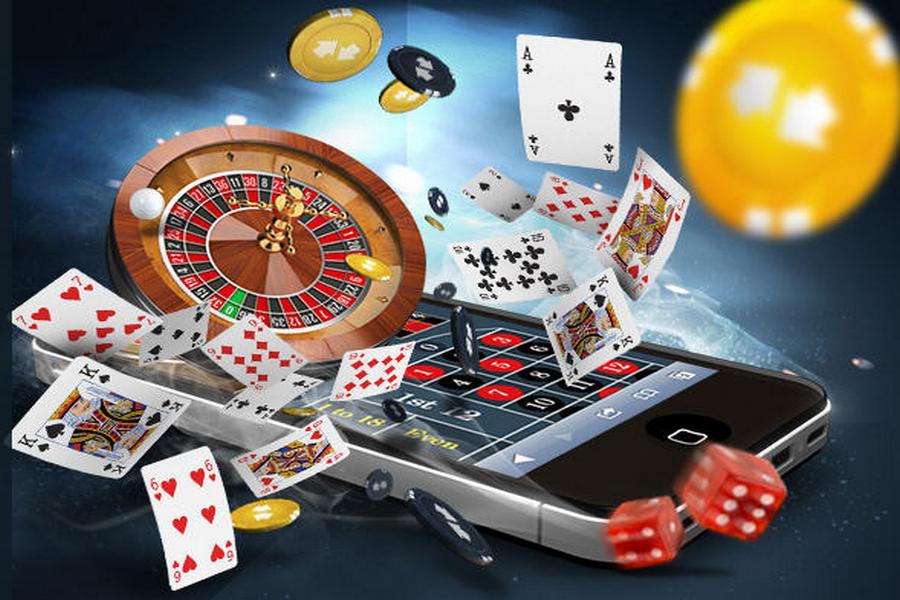
In today’s fast-paced world, gambling continues to play a significant role in society, adapting to technological advancements and changing cultural norms. The rise of online casinos and mobile gaming applications has democratized access to gambling, allowing individuals to engage from the comfort of their homes. This convenience has led to an increase in participation among various demographics, shifting the traditional landscape of gambling.
Moreover, the conversation around responsible gambling has gained momentum as awareness of its potential risks has increased. Educational campaigns aim to inform players about safe gambling practices and the importance of moderation. This cultural shift reflects a growing understanding of gambling as a multifaceted activity, encompassing both fun and potential pitfalls. Engaging with gambling in a responsible manner allows individuals to enjoy the entertainment while minimizing risks.
In conclusion, the cultural significance of gambling in modern society is profound. It serves various roles, from a source of social interaction to an economic engine, while also reflecting deeper human experiences and societal values. As gambling evolves, it remains essential to continue discussions about its implications and ensure that it is enjoyed responsibly and ethically.